Ancient threads, modern comfort: the enduring appeal of mulberry silk
Mulberry silk has carried a narrative of luxury through centuries. Derived from the cultivated silkworm Bombyx mori, the silk produced is renowned for a fine filament and a natural sheen that contemporary designers emulate but seldom surpass. The mulberry leaf is its origin, the loom its partner, and the sleeper its beneficiary. Silk’s inherent properties—temperature regulation, moisture absorption, and hypoallergenic texture—make it more than a stylish surface. It is a living fabric that breathes with the body, maintaining comfort across seasonal swings.
In the realm of bedding, mulberry silk functions as a natural regulator. In warm rooms, it wicks moisture and allows air movement; in cooler climes, it traps warmth without heaviness. Its porous fiber structure lends breathability that helps reduce night sweats and overheating—a factor of particular interest to readers who experience menopausal symptoms or hot nights. Beyond temperature control, the silk’s smooth surface minimizes friction against skin and hair, contributing to a calmer, more serene sleep experience.
The story of mulberry silk is not only one of texture and temperature but of care. Like any natural fiber, silk responds to gentle handling, precise washing, and mindful storage. This article pairs timeless principles with contemporary insights, offering a practical framework for selecting silk bedding and maintaining its beauty for years.
Practical care for silk sheets and comforters
Caring for mulberry silk begins with understanding its delicate yet resilient nature. Silk fibers are strong, but their protein-based structure can be compromised by harsh chemicals, high heat, and rough agitation. The goal is to preserve the fiber’s natural luster while keeping the bedding hygienic and fresh. When washing silk, a gentle cycle with cold water and a silk-appropriate detergent is recommended. Drying should be air-based rather than heat-driven; if using a dryer, choose the lowest heat setting and remove promptly to prevent any potential heat damage.
Storage is equally important. Silk should be kept in a cool, dry place away from direct sunlight, with breathable storage options to prevent any moisture buildup. When storing a silk comforter or set, consider a cotton bag that allows air exchange and avoids trapping humidity, which can affect the fabric’s integrity over time.
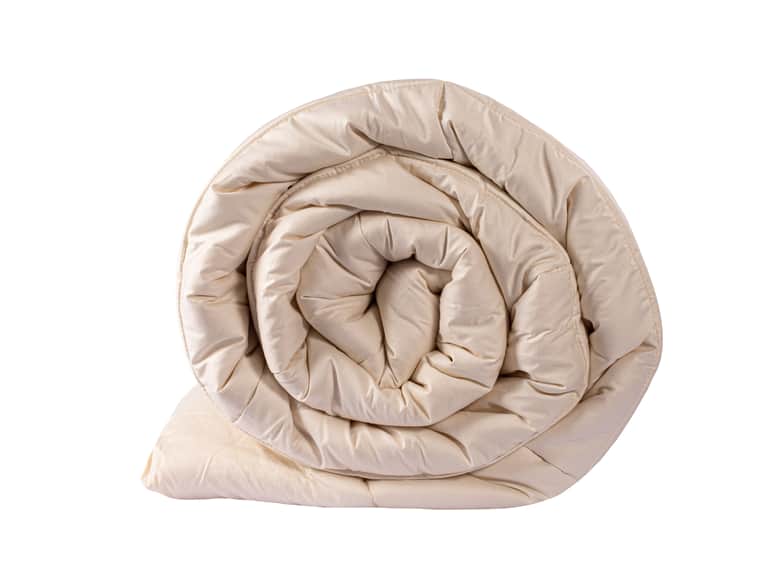
For silk-filled comforters, a duvet cover remains a practical ally: it protects the silk fill from oils and skin contact, reduces laundering frequency, and helps extend the life of the fill. Following care labels and the manufacturer’s guidance remains essential, especially when exploring premium products like Mulberry West offerings, which emphasize purity and safety standards.
Selecting silk bedding: core considerations
When evaluating mulberry silk sheets and comforters, several criteria define value and fit:
- Fill weight and density: The warmth and loft of a silk comforter are influenced by its fill. A higher fill weight yields greater warmth, while lighter fills provide breathable comfort for warmer seasons.
- Weave and finish: Mulberry silk sheets are shaped by weave (sateen, charmeuse, etc.) and finish. A smooth, high-thread-count surface enhances tactile luxury and reduces friction.
- Temperature regulation: Silk’s natural properties support a stable microclimate, reducing the extremes of heat and cold during the night.
- Allergen considerations: Silk resists dust mites and is naturally hypoallergenic, aligning with health-conscious bedding choices.
- Care requirements: Gentle washing, air drying, and mindful storage preserve sheen and fiber integrity.
Within this framework, silk bedding can complement a broad spectrum of decor styles—from minimalistic luxury to heritage-inspired interiors. The goal is to align fabric behavior with climate, sleep habits, and lifestyle for a holistic nighttime ritual.
A closer look at product choices: silk blankets and beyond
A notable exemplar in silk bedding is the Mulberry West 75Gram Silk Blanket, a product designed to marry warmth with a feather-light touch. This blanket exemplifies silk’s temperature-regulating virtues while maintaining a clean profile that integrates with modern bedrooms. In Mulberry West’s narrative, purity and safety stand at the forefront: a blanket that is formaldehyde- and lead-free, tested by independent laboratories to ensure the highest standards of purity. Such assurance is not mere marketing; it reflects a growing consumer demand for textiles that honor both comfort and integrity.
Product highlight: Mulberry West 75Gram Silk Blanket
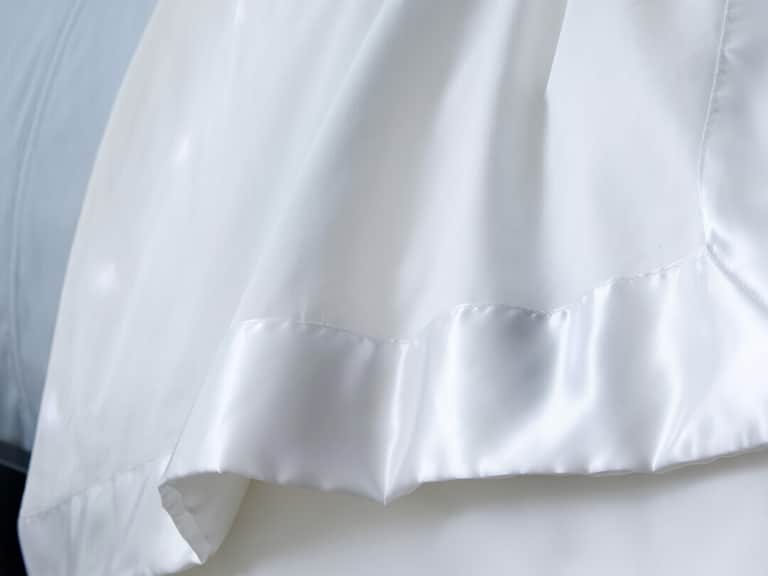
A generously sized silk blanket with satin trim. Temperature-regulating, hypoallergenic, and easy to clean. Silk’s natural properties support a comfortable, year-round experience.
Key features:
- 75-gram fill for balanced warmth
- 100% formaldehyde- and lead-free silk
- Naturally hypoallergenic and anti-bacterial
- Temperature regulation and moisture management
Complementary silk bedding products, including charmeuse silk sheets and pillowcases, can extend the Silk Bedding experience from a single blanket to a full nocturnal ecosystem. When paired with appropriate care, these pieces preserve sheen and comfort across seasons.
Mulberry silk in bedding ecosystems
Silk bedding often functions as a cohesive system: silk sheets, silk duvets, and silk blankets tuned to the same temperature-regulating profile. The integration ensures a consistent feel against the skin and a uniform microclimate throughout the night.
Care routines that preserve glow
Gentle washing, avoidance of high heat, and air-drying practices protect the fiber’s integrity and luster. Silk benefits from patience and attention, resulting in durable beauty that ages gracefully, much like archival textiles revered by connoisseurs.
A cultural lens: three key individuals who shaped the silk story
Across eras, three figures illuminate the silk narrative—from early explorations of silk production to modern-day luxury bedding curators. Their contributions demonstrate how material culture, invention, and commerce converge to redefine sleep.
Emperor Huangdi’s Silk Silk Road (c. 2nd millennium BCE)
In ancient China, silk was more than a fabric; it was a bridge between cultures and a symbol of sophistication and power. The earliest harnessing of mulberry silk began with silkworm domestication, feeding on mulberry leaves, and the cradle of sericulture that eventually carved a global trade network. This historical thread reminds us that what we now consider commonplace—silk bedding—rests on centuries of cultivation, innovation, and cross-cultural exchange.
Marie Curie and scientific rigor in textiles (late 19th–early 20th century)
While not a textile scientist by trade, Curie’s insistence on empirical rigor reshaped how we evaluate materials. In bedding, this translates to a consumer appetite for laboratory-tested purity and performance claims. The idea that a blanket, sheet, or duvet could be measured for purity—free of formaldehyde and heavy metals—echoes Curie’s commitment to evidence-based science, a standard that informs contemporary branding and certification processes within luxury bedding.
Ritu Kumar and the couture of comfort (modern era)
In contemporary design, the notion of comfort has become a form of couture. Designers and curators in the bedding space blend artisanal sensibilities with material science to craft products that feel luxurious yet accessible. The silk bedding conversation—balancing sheen, softness, durability, and care—reflects a modern ethos: indulgence that is thoughtfully engineered, sustainably sourced, and responsibly produced.
Putting the Mulberry Silk Bedding idea into practice
For readers seeking a practical path, begin with a tested, pure silk blanket or set of silk sheets that align with your climate and sleep pattern. Consider a silk-filled comforter for winter warmth without weight, and a lighter silk sheet set for summer or temperate environments. When selecting, be mindful of the brand’s certification and provenance, just as the Mulberry West example underscores purity and safety.
Product spotlight: Mulberry West 75Gram Silk Blanket
A silk blanket with satin trim, designed to regulate body temperature while offering a smooth, hypoallergenic surface. This product highlights how silk can function as a standalone layering piece or a core component of a layered bedding approach.
Note: This image-enabled section showcases the product’s form and function, reflecting Mulberry West’s emphasis on purity and safety testing.
Care cadence for silk bedding
Establish a routine that respects silk’s delicate nature: gentle washing, cold cycles, and air drying. Protect silk with duvet covers, and store in breathable environments to maintain the fabric’s sheen and longevity.
Authority note: Choosing products with independent testing and clear purity claims ensures a trusted purchase path.