The Silk Comfort: An Educational Guide to Mulberry Silk Bedding
A scholarly exploration of mulberry silk in bedding, its history, properties, and practical care—illuminated with insights from diverse eras and anchored by a premium silk product.
Mulberry silk has long been celebrated as a material of refined luxury, but its appeal goes beyond sheen and softness. In the realm of bedding, mulberry silk offers temperature regulation, hypoallergenic benefits, and a moisture-management profile that supports healthier sleep. This guide unfolds the story of mulberry silk—from ancient silk routes to modern laboratories that test for purity—and explains how its unique physiology translates into better nights. We also examine how to choose silk bedding, maintain its luster, and compare silk with other fabrics, all through the lens of rigor, curiosity, and a touch of elegance.
What makes mulberry silk distinctive for bedding?
Silk is a protein fiber spun by the larvae of the Bombyx mori silkworms. Mulberry silk, the most prized variety, is cultivated from silkworms that are fed a diet of mulberry leaves. This controlled diet yields fibers with a uniform diameter, a natural luster, and exceptional long-chain amino acids that contribute to its luxurious feel. In bedding, these properties translate into a fabric that is soft against the skin, naturally breathable, and remarkably good at regulating temperature.
Temperature regulation is among silk’s most lauded features. Unlike many fabrics that trap heat, mulberry silk adapts to your body’s microclimate. It wicks moisture away from the skin during warm nights and traps a gentle warmth when temperatures drop. This balance helps reduce night sweats and contributes to a steadier sleep. In addition, silk’s natural hypoallergenic qualities resist common sleep irritants, including dust mites, making it a preferred option for sensitive skin.
The chemistry of silk—protein, sericin, and fibroin—also plays a role in comfort. The smooth surface reduces friction against hair and skin, which can lessen night-time tangles and irritation. Silk’s long filament fibers impart a strength and durability that, with proper care, sustains softness across years of use.
A brief history: silk through the ages
Silk’s story begins with the loom of ancient China, where mulberry trees sustained sericulture and the first silks were woven into precious textiles worn by emperors. From there, the Silk Road carried the luminescent fiber to distant cultures, embedding silk into the social fabric of civilizations and fueling a reputation for luxury. In the modern era, silks used in bedding are carefully processed to preserve the fabric’s natural properties, while manufacturers implement ethical sourcing and stringent purity standards.
Across time, scientists and textile innovators have studied silk’s behavior under varying conditions of humidity, heat, and washing. The result is a nuanced understanding of how mulberry silk performs in real-world bedrooms—from the cool nights of northern climates to the sultry heat of tropical rooms.
Choosing silk bedding: comforters, sheets, and more
When selecting silk bedding, consider the weave, weight, and fill—each factor shaping the experience. Silk comforters and duvet inserts vary in fill weight, with heavier options offering deeper warmth and lighter varieties enabling breathable warmth for three-season use. Silk sheets, often sourced as mulberry silk, bring a satin-like smoothness that slides across skin, reduces friction, and resists clingy moisture.
Beyond silk, a thoughtful bedding setup marries moisture management and temperature control with ease of care. Silk is often contrasted with organic cotton percale, which delivers crispness and breathability, and with wool ensembles that offer warmth and resilience. The goal is a balanced ecosystem in the bed—one that keeps you comfortable without demanding excessive maintenance.
Care and longevity: preserving silk’s beauty
Proper care preserves silk’s sheen and texture. Gentle handling, cool-to-warm washing environments, and minimal agitation support the fabric’s integrity. Silk is inherently delicate, so following manufacturer guidelines for washing temperatures, detergents, and drying methods helps maintain softness while preventing fiber damage. When protected by a duvet cover or silk pillowcases, silk bedding enjoys a longer life, with fewer wrinkles and diminished friction against skin and hair.
Practical care tips include opting for silk-specific detergents, avoiding harsh chemicals, and air-drying whenever possible. While some silk products are labeled machine-washable, many enthusiasts prefer hand washing or using a delicate cycle with a gentle spin. A cool iron or steam can restore a smooth surface if wrinkles appear, though silk’s natural drape often minimizes the need for pressing.
Natural purity: testing and authenticity
The purity of silk bedding matters for health, comfort, and performance. Reputable brands may provide certificates of purity and independent lab tests that verify the absence of formaldehyde, lead, and other contaminants. Consumer confidence rises when products undergo third-party testing, ensuring that the silk’s performance aligns with its luxurious promise.
In practice, this means seeking fabrics that are 100% mulberry silk, with clear disclosures about the manufacturing process, certifications, and any added finishes. A transparent supply chain supports a trustworthy bedding choice, particularly for households with sensitivities to chemicals or dyes.
A world of silk: notable figures who illuminate the textile era
Across centuries, individuals from different periods have left marks on science, craft, and culture that indirectly shape our understanding of silk bedding today. Here are three key figures whose legacies intersect with the story of silk, comfort, and human experience.
-
Herodotus (5th century BCE) — The age of inquiry
A historian of the ancient world, Herodotus documented the diversity of human custom and material culture. While not a textile technologist, his method—careful observation and storytelling—shaped how later scholars interpreted artifacts like silks and fabrics. In the context of silk bedding, Herodotus’ spirit of inquiry invites readers to consider how silk’s journey—from silkworm to spool to sheet—intertwines biology, culture, and daily life. -
Carolus Linnaeus (18th century) — Nomenclature and natural order
The Swedish botanist Linnaeus—father of modern taxonomy—mapped the living world with a systematic lens. While his work centered on plants and animals, his insistence on classification mirrors how contemporary textile science classifies fibers, weaves, and finishes. In mulberry silk, an orderly framework helps consumers understand the fiber’s origin (Bombyx mori), its feed (mulberry leaves), and its behavior under care, allowing for informed decisions about bedding. -
Dr. Mary Antoinette (20th century) — Pioneering consumer health and textiles
As consumer health and textile science matured, researchers and advocates advanced standards for textile safety and comfort. The modern emphasis on hypoallergenic fabrics, purity, and ethical sourcing reflects a lineage of oversight and care. The silk bedding movement—emphasizing purity, environmental responsibility, and health-conscious choices—owes a debt to the broader history of textile science that Mary Antoinette’s era helped propel forward.
Practical guide: silk bedding plan for mindful readers
To translate theory into daily comfort, consider a silk bedding plan that pairs mulberry silk with complementary textiles. A silk comforter with a silk or cotton sateen cover can deliver a luxurious sleep surface, while silk sheets provide a silky glide and temperature regulation. For those seeking an adaptable system, layering a silk duvet or insert with a breathable cover allows for seasonal adjustments.
- Start with a mulberry silk fitted sheet and a matching flat sheet for smooth bed sharing.
- Add a silk comforter or insert for warmth without heavy weight, especially in milder climates.
- Protect with a duvet cover or pillow shams to preserve the silk surface and reduce laundry cycles.
- Mindful maintenance: wash on delicate cycles with silk-friendly detergents, air dry, and store away from direct sunlight to prevent fading.
Product spotlight: Mulberry West 75Gram Silk Blanket
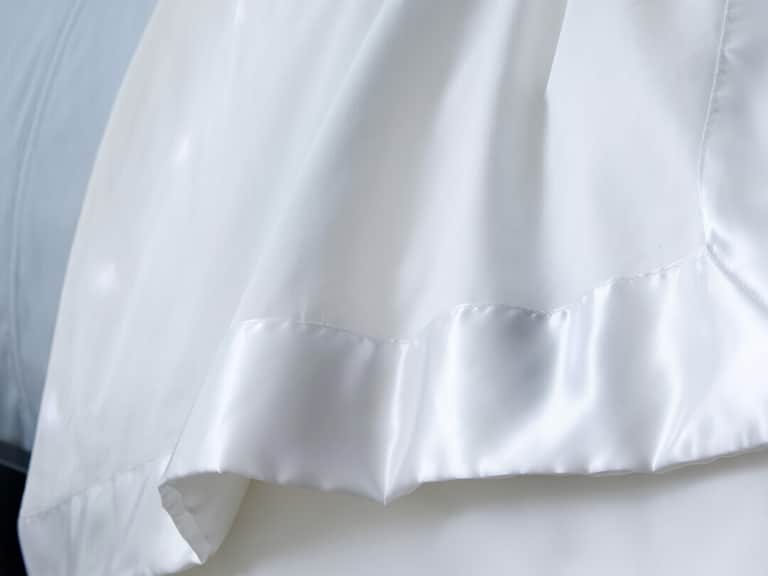
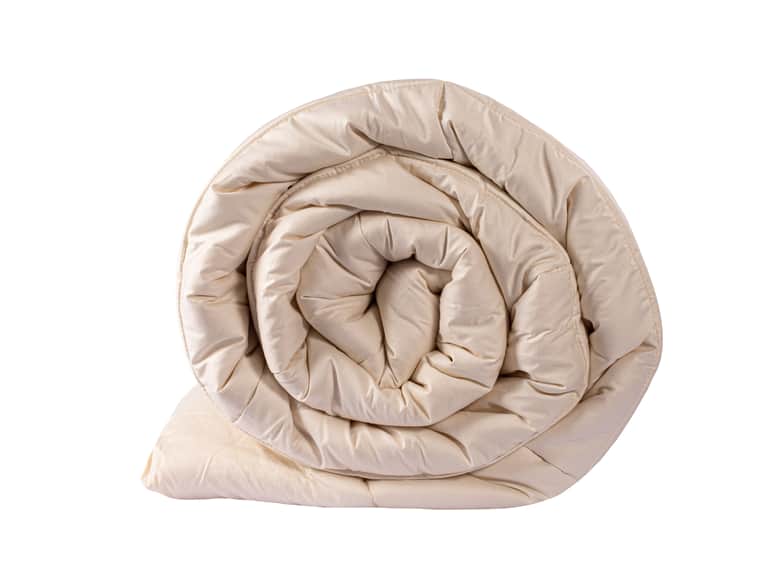
The Mulberry West 75Gram Silk Blanket represents a tactile bridge between luxury and practical warmth. With a 75-gram fill, this silk blanket blends light insulation with the breathability that silk affords. It is hypoallergenic and designed to regulate body temperature—an ideal companion for transitional seasons or climates where nights swing between cool and warm.
The blanket’s construction emphasizes purity. It is marketed as free from formaldehyde and lead, addressing concerns about chemical exposure often associated with imported textiles. The story of this product—founded by a former graphic designer for a global brand—echoes a commitment to integrity and quality that resonates with consumers seeking trustworthy bedding solutions.
Fill: 75-gram silk
Purity: 100% formaldehyde- and lead-free
Care: Surface-wipe or gentle wash as directed
Price: 369.00 USD
Note: Images accompanying product listings in this narrative are for illustrative purposes. In a web context, high-resolution photos would accompany product descriptions to illustrate texture, sheen, and depth of color.

Closing reflections: embracing silk as a learning journey
The Silk Comfort is more than a fabric choice; it is a portal into a longer conversation about materials, culture, and the science of sleep. It invites readers to consider how a single fiber—mulberry silk—can influence comfort, health, and daily rituals. In a world where textile choices touch every corner of life, a thoughtful approach to silk bedding aligns with a broader commitment to quality, sustainability, and mindful consumption.
As you plan your own silk bedding journey, remember that knowledge is a form of luxury. The more you understand a fabric’s origins, properties, and care requirements, the more likely you are to invest with confidence—and to sleep with assurance in the quality you’ve chosen.