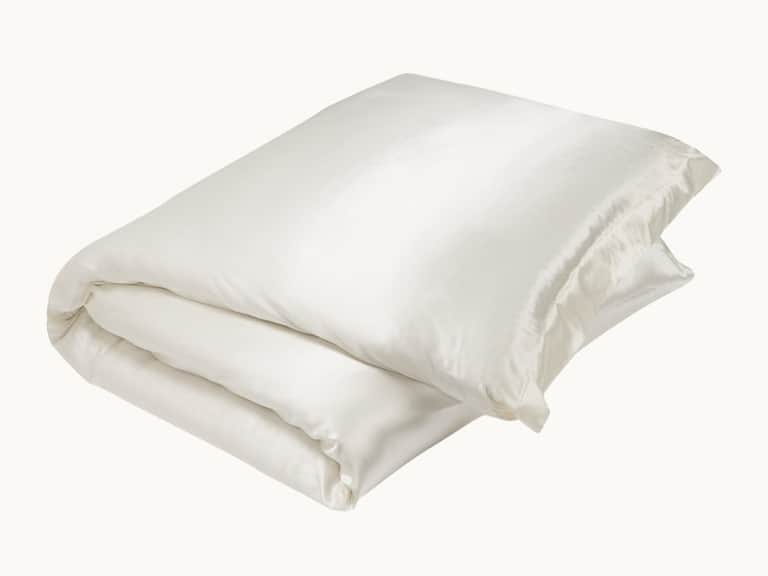
Ivory Silk Duvet Cover
Sleep cooler and softer with hypoallergenic, silky strands that minimize friction for hair and skin, while the 3-inch border and secure buttons keep it sleek and durable through wash after wash.
Explore how silk-filled comforters from trusted brands like Sleep and Beyond and Gingerlily meet different climate needs. This guide covers weight, fill power, and care tips to help you select an all-season option that balances warmth, breathability, and durability.
Silk-filled comforters sit at the intersection of luxury and science. Mulberry silk fibers inherently regulate temperature, wick moisture, and reduce friction against skin and hair. When encased in a breathable shell—typically cotton sateen with a weight around 300 thread count—the result is a sleep surface that feels light on warm nights and appropriately snug as temperatures dip.
For many sleepers, an all-season option replaces the need to own separate summer and winter bedding. The warmth is present without heaviness, and the fabric’s moisture management helps maintain a steady microclimate through varying room conditions. The goal is to maintain loft, preserve sheen, and sustain hypoallergenic benefits over time.
The decision triangle for silk comforters typically centers on fill weight, shell material, and the temperate properties of silk itself. Here is a practical framework to translate product blurbs into a sleep-ready choice.
Though not a duvet insert, the Ivory Silk Duvet Cover represents Silk’s cognitive bond with bedding aesthetics—the fabric that hugs the comforter and completes the sleep surface.
Ivory Silk Duvet Cover features 100% mulberry silk at 19 momme, with a refined 3-inch border and button closure. Its hypoallergenic properties and low friction profile support skin and hair health, while the silk finish preserves sheen and softness through repeated washes as recommended (delicate cycle, cool iron).

Care for silk bedding is distinct from cotton-filled or synthetic-filled options. Silk loves gentle handling and attention to temperature. Practical routines include:
The care narrative mirrors historical attention to fiber longevity. Silk’s durability emerges not only from fiber strength but also from responsible washing and hand-stretching where appropriate. A well-cared-for silk comforter and shell system can retain loft for years, maintaining the surface’s tactile softness and the climate-balancing benefits that make silk a perennial luxury.
In the pantheon of bedding fillings, silk holds a distinctive place for its combination of temperature regulation, moisture management, and hypoallergenic properties. Compared with down, silk can offer similar warmth with less weight. Compared with synthetic fillings, silk maintains a natural feel, breathability, and a lower tendency to trap heat in the night.
For sleepers who wake with heat, silk’s moisture-wicking fibers help move warmth away from the body, reducing cling and night sweats. For those who sleep cold, a properly weighted silk-filled comforter can provide warmth without heaviness, fostering a comfortable microclimate that supports restorative sleep.
The modern silk supply chain invites scrutiny: certifications like OEKO-TEX Standard 100, GOTS, and other third-party audits offer reassurance on textile safety and sustainable practice. When evaluating a silk comforter or shell, readers should seek clear disclosures about fiber origin, processing, and any chemical treatments.
The recommended approach is to balance luxury with transparency—prioritizing brands that publish material sources, manufacturing locations, and certifications. These signals are not merely marketing; they reflect a commitment to long-term quality and environmental responsibility.
Silk comforters offer an elegant synthesis of comfort, cooling warmth, and skin-friendly properties. When paired with a high-quality cotton shell and responsibly sourced silk, an all-season option can deliver year-round sleep satisfaction. The curated selection from Gingerlily, including the Ivory Silk Duvet Cover noted above, demonstrates how silk products are designed to harmonize with a broader bedding ecosystem—one that values texture, lightness, and natural performance.
The path to the right silk comforter begins with clarity: understanding fill weight, shell, and silk’s inherent regulatory properties. The narrative of silk in bedding is not simply about luxury; it is about a scientific approach to comfort, a respect for ethical sourcing, and a design sensibility that sees bedding as a harmonious system rather than a collection of discrete pieces.
As you consider whether a lighter 19-momme silk shell or a slightly heftier 22-momme option best fits your climate, remember that your bedding tells a story about your sleep. It is a story written in fiber and finish, in the glow of silk’s natural sheen, and in the care routines that preserve its elegance for years to come.
This article references Silk Duvet Cover — Ivory Silk Duvet Cover (Gingerlily) as a practical example of silk finishes and care considerations. All other textile concepts reflect the broader history and science of silk bedding.